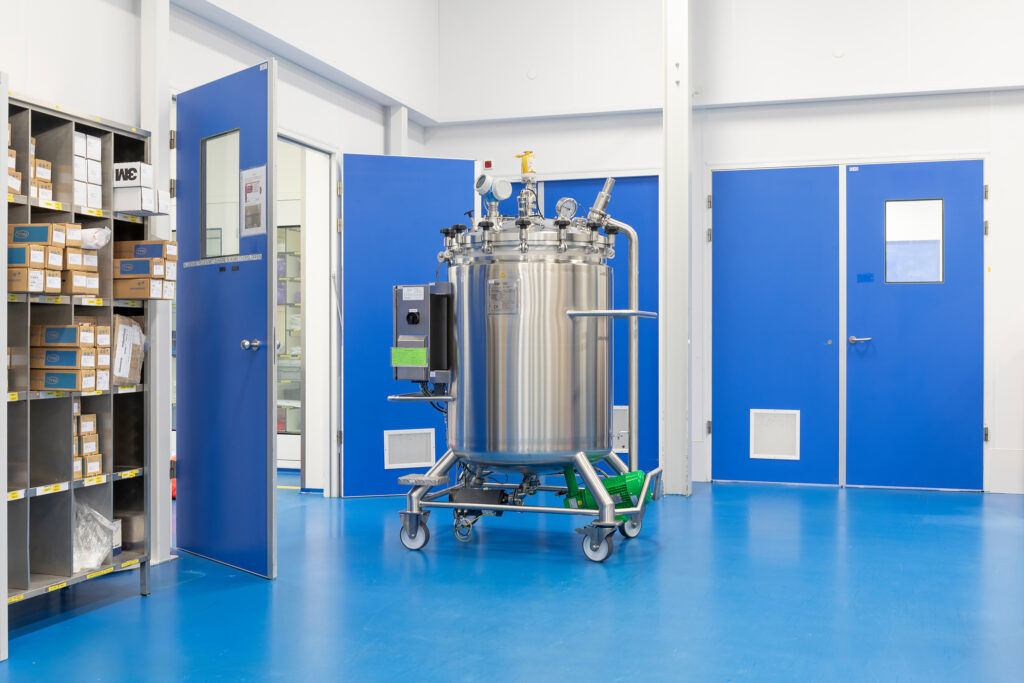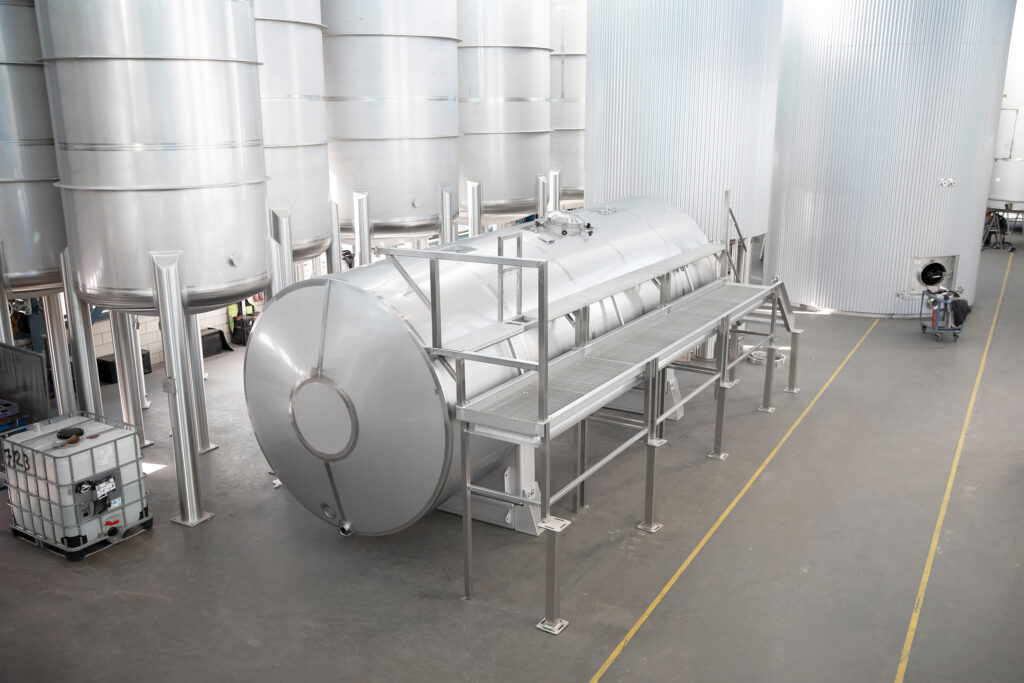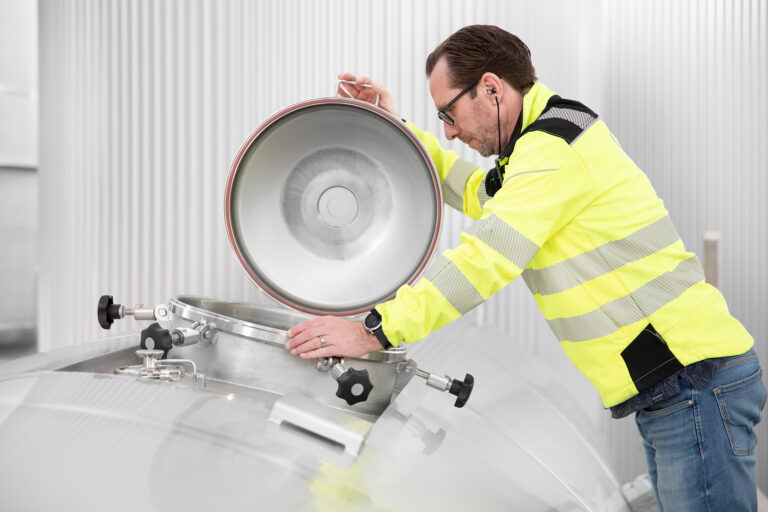
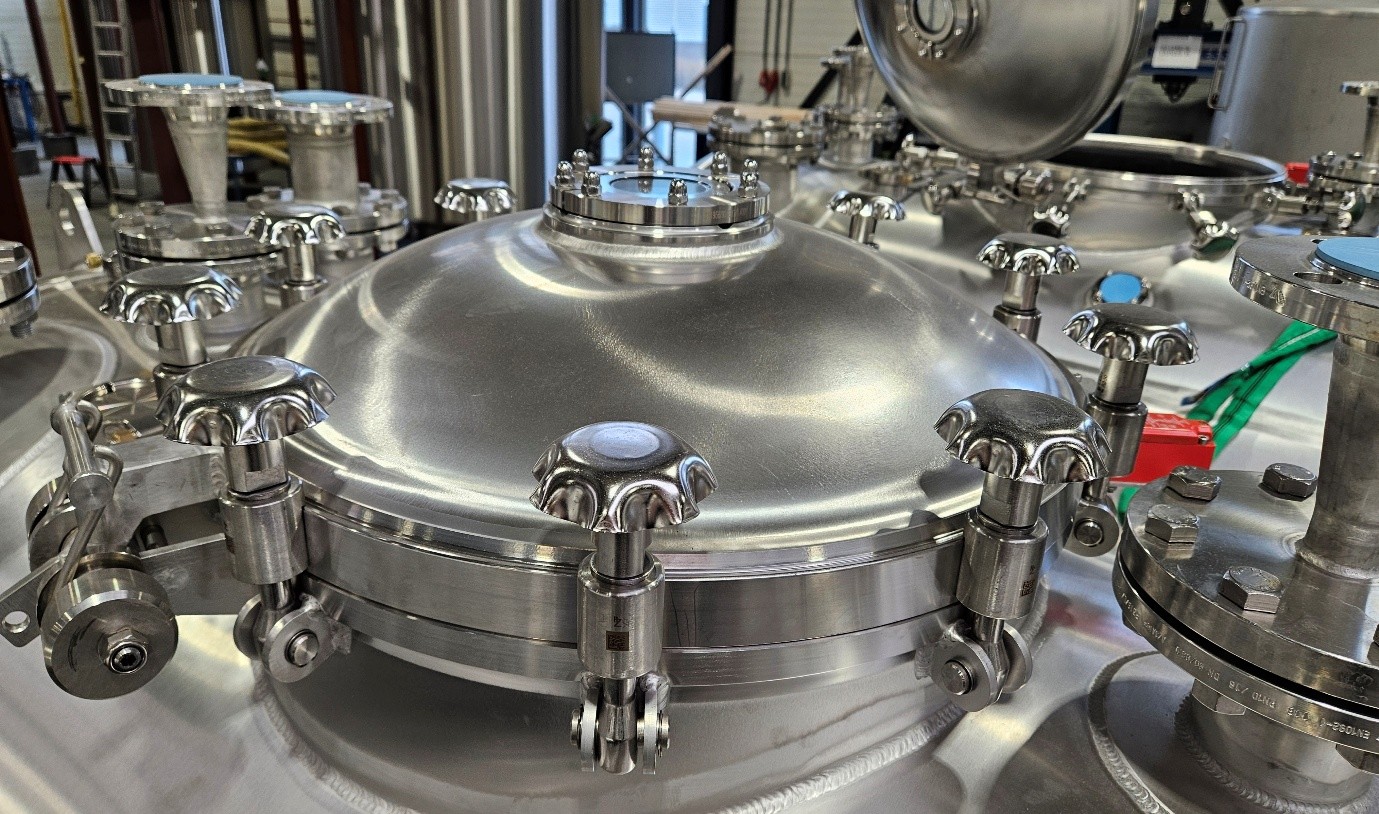



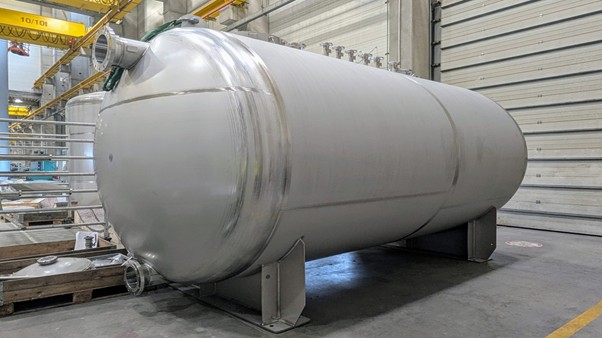
A waste tank is a hygienic storage vessel designed to hold waste materials generated during pharmaceutical production. These waste streams can include chemical substances, biological materials, and other contaminated products that cannot be reused and may be hazardous if mishandled. Pharmaceutical waste tanks provide secure, temporary storage before waste is treated or disposed of. By isolating hazardous materials, they prevent cross-contamination with active production areas, safeguard product quality, and protect personnel.
Final waste disposal is carried out in accordance with strict GMP, FDA, and environmental regulations, using methods such as neutralization, incineration, or specialized treatment processes. At Gpi, we design and manufacture custom stainless steel waste tanks that combine safety, durability, and regulatory compliance.
Do you have a question about our waste tanks?
Custom waste tanks for safe hazardous waste storage
Our stainless steel waste tanks are purpose-built for handling both chemical waste and biological waste under controlled conditions. Whether integrated into a cleanroom, utility space, or central waste treatment area, each tank is engineered to:
- Provide secure containment of hazardous liquids and solids
- Prevent contamination of other products or process areas
- Support fast and hygienic cleaning for operational efficiency
- Comply with pharmaceutical, safety, and environmental regulations
We supply waste tanks in horizontal or vertical configurations, available in custom capacities and built for seamless integration with your facility’s waste management system.
Chemical and biological waste tank applications
Gpi stainless steel waste tanks are ideal for:
- Storing chemical waste from production processes
- Containing biological waste after testing or manufacturing
- Holding contaminated materials prior to treatment or disposal
- Safely staging solvents, buffers, or intermediates that cannot be reused
- Collecting waste during CIP (Clean-In-Place) cycles
- Ensuring compliant storage of regulated waste streams
By providing safe, hygienic, and compliant waste storage, our tanks help protect personnel, products, and the environment.
Key advantages of our stainless steel waste tanks
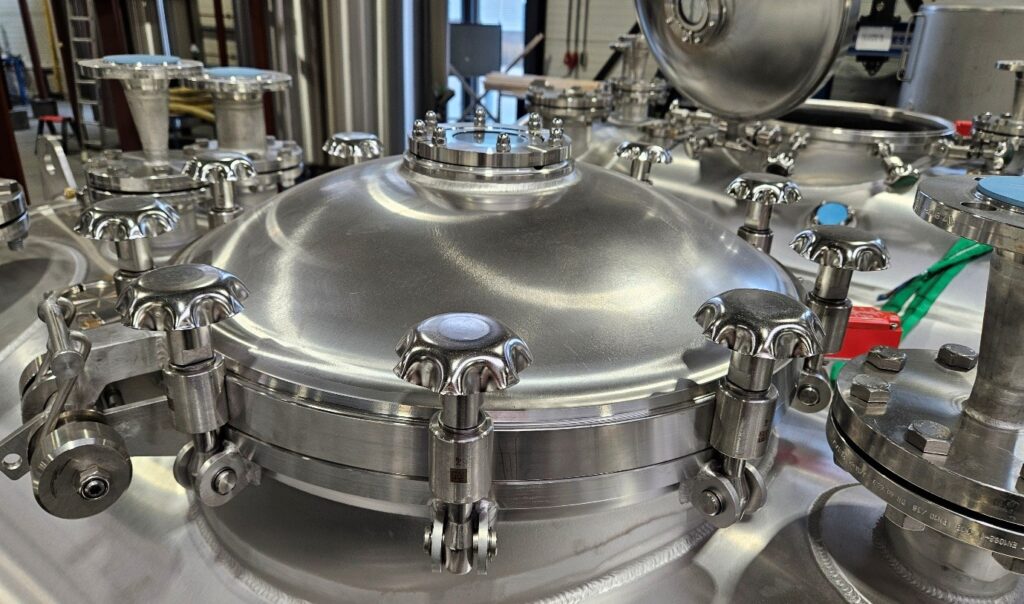
- Premium Stainless Steel – 1.4404 / 316L or 1.4571 for superior corrosion resistance and long-term durability
- Regulatory-Compliant Seals – FDA-approved gaskets (silicone, PTFE, EPDM) for leak-proof and hygienic operation
- Hygienic Interior Design – Polished finish to reduce contamination risk and ease cleaning
- Optional Electropolishing – Enhanced surface finish for maximum corrosion resistance
- CIP Cleaning Compatibility – Efficient cleaning without disassembly
- Process Waste Inlet with Dip Tube – Controlled waste input and efficient material collection
- Spray Balls – Rotating spray balls for effective cleaning; custom designs available
- Safety Features – Pressure relief valves, level switches, and sample valves
- Advanced Monitoring – Integrated sensors for pressure, temperature, and level control
- Robust Construction – Compliant with PED and EN 13445 standards
- Flexible Installations – Horizontal or vertical designs to fit available space
- Optimized Drainage – Angled design for complete emptying and reduced residue
- Enhanced Visibility – Sight and light glasses for easy internal inspection
- Long-Term Performance – Built for decades of service with premium materials and finishes
Waste tank technical specifications
- Materials: 1.4404 / 316L, 1.4571, optional duplex stainless steels
- Surface Finish: Ra ≤ 0.6 µm or better internal finish, optional electropolishing
- Capacities: Custom volumes for batch or continuous waste storage
- Connections: Tri-clamp, DIN, or custom hygienic fittings
- Instrumentation: Load cells, level transmitters, temperature and pressure sensors
- Safety Systems: Overpressure protection, relief valves, alarms
- Drainage: Angled or conical base for minimal residue
- Access: Manways, ladders, platforms for safe maintenance
- Cleaning: CIP compatibility, spray balls, drainable design
- Validation: Complete IQ/OQ documentation and traceability

Your pharmaceutical waste tank manufacturer
At Gpi, we understand that safe pharmaceutical waste handling is essential to product quality, worker safety, and regulatory compliance. Our stainless steel waste tanks are engineered to provide secure, hygienic, and regulation-compliant storage for chemical waste and biological waste.
Whether you are building a new facility or upgrading your waste management system, we deliver custom waste tank solutions that integrate seamlessly into your production environment, protect your people, and safeguard your processes.
Contact us today to learn how our stainless steel waste tanks can improve safety and compliance in your pharmaceutical operations.
FAQ
What are the regulatory requirements for a pharmaceutical hazardous waste tank?
Pharmaceutical hazardous waste tanks must comply with a combination of industry-specific and environmental regulations. Key requirements include GMP and FDA guidelines for hygienic design and material safety, as well as the European Pressure Equipment Directive (PED) and EN 13445 for pressure-bearing vessels. Depending on the type of waste stored and the country of operation, additional environmental regulations may apply. All Gpi Pharma waste tanks are engineered to meet the applicable regulatory requirements for your specific application and location.
What types of waste can be stored in a pharmaceutical stainless steel waste tank?
Pharmaceutical stainless steel waste tanks are designed for the temporary storage of a wide range of production waste streams. This includes chemical waste such as solvents and process chemicals, biological waste from biotech and fermentation processes, and waste collected during CIP cleaning cycles. The tanks provide secure containment before the waste is treated or disposed of in accordance with applicable regulations.
What safety features should a pharmaceutical waste tank include?
A pharmaceutical waste tank should be equipped with safety features appropriate to the type and hazard level of the waste being stored. Key features include pressure relief valves and safety relief devices to prevent overpressure, level switches for accurate fill monitoring, and a robust stainless steel construction — typically 316L or 1.4571 — to withstand corrosive substances. An internal surface finish of Ra ≤ 0.6 µm or better supports CIP compatibility and minimizes contamination risk between waste cycles.